Why elevated wood fails first in Redwood Shores
Walk the lagoon paths and look up at the buildings. Decks, balconies and exterior stairs face the water because that is the view, and they are also the most exposed wood on the property. Fog rolls across at night, winter wind drives rain sideways, and horizontal surfaces collect water instead of shedding it. A wall can survive in a sheltered spot for a long time, but a deck floor cannot, so elevated wood is usually where the first serious repair in a building appears.
It is also where a repair matters most, because rot here is a safety problem as well as an appearance one. A railing post that has softened at the base can fail under a hand, and a stair stringer that has rotted at the foot of the run can give way under weight.
Where the water actually sits
Rot follows trapped moisture. On a deck or stair it tends to gather in a handful of predictable places.
- The ledger, where the deck meets the building. Water that runs down the wall can get behind the board and into the framing, out of sight.
- Post bases, where end grain meets a surface that stays wet.
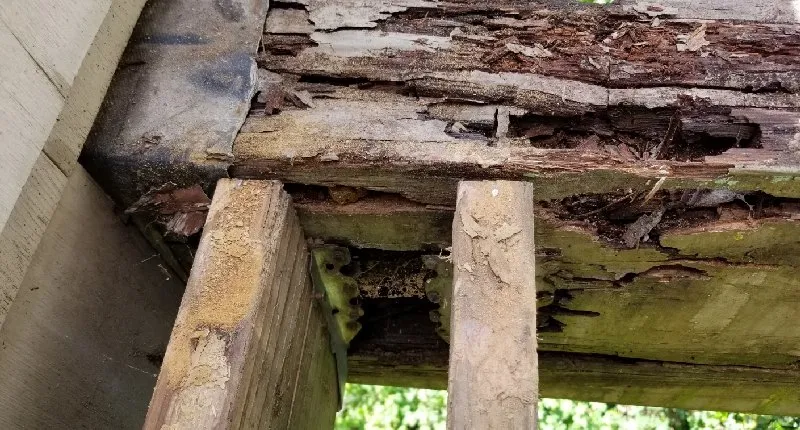
- Joist ends and the top edges of joists, where decking screws let water in and the boards above hold it.
- Stair stringers where treads connect, and the bottom of the run where it meets a landing or a walkway.
- Railing posts and the rail cap, where fasteners and joints open as the wood moves.
Surfaces that look fine from above can hide damage below, so a proper look starts underneath and at the connections, not on the walking surface.
How to tell it is more than a surface problem
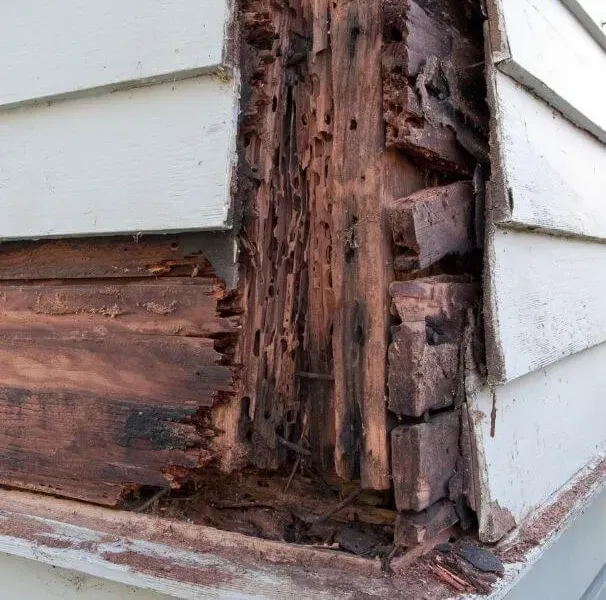
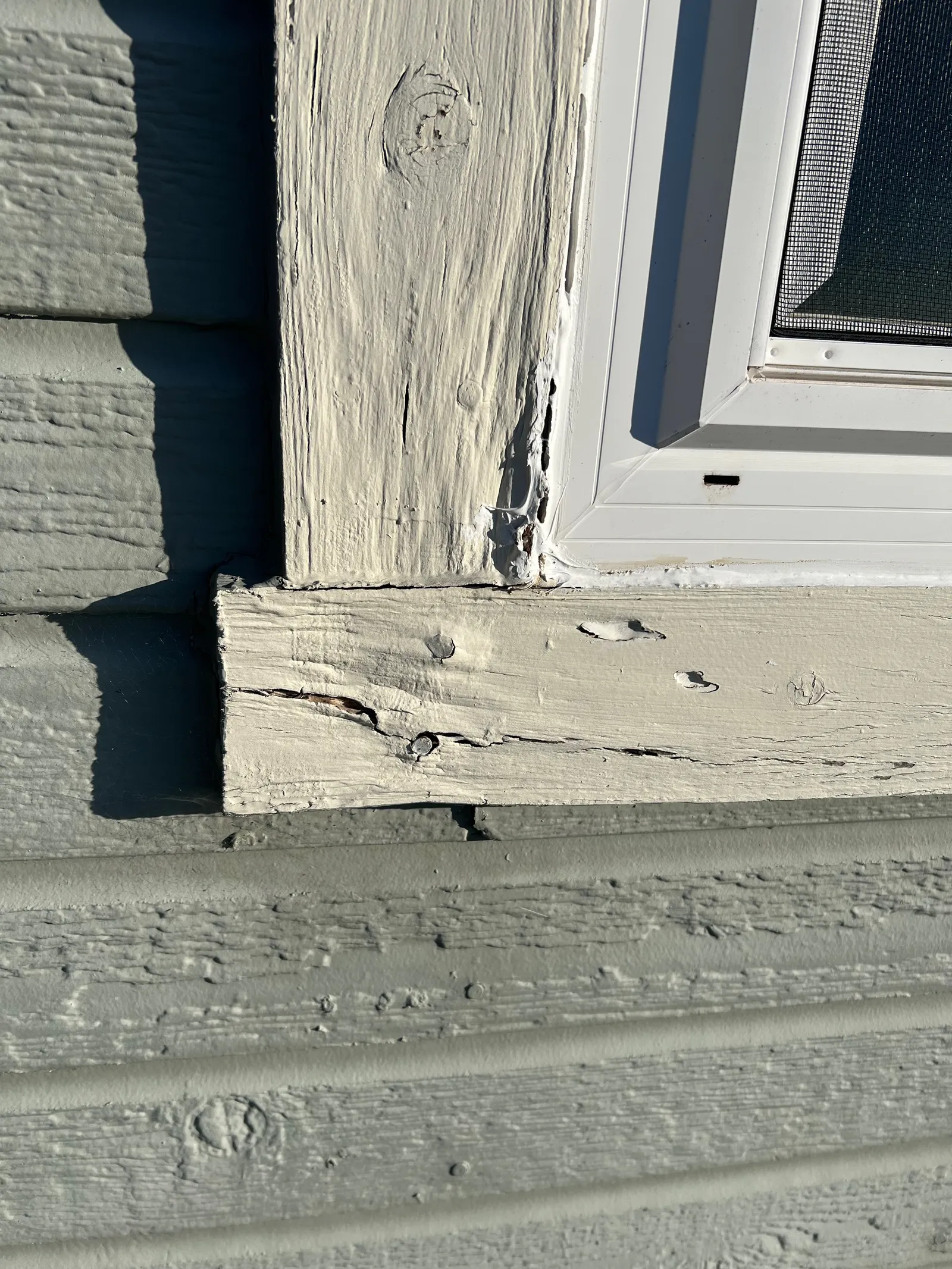
Signs that a deck, balcony or stair needs more than a repaint include a floor that flexes between joists, railing that moves when you lean, stair treads that dip, paint that cracks along the end of a board, and a musty smell under the structure. A screwdriver that sinks into wood with little pressure confirms soft wood. If the damage is near a wall, assume the wall may be involved as well.
When the building is a condominium, the exterior elevated elements are also covered by California's SB-326 inspection requirement, so a report may already have flagged the structure. If you see damage and have not heard about a report, ask your manager.
What a proper repair replaces
Repair means removing wood that has lost its strength and rebuilding the assembly so water leaves it. The right scope depends on how far the damage runs.
Surface and edge repairs
If only boards or the cap rail are damaged, those pieces are cut out and replaced, and the exposed cut ends are sealed before they go back. This is the smallest job, and it is only appropriate when the framing under the boards tests sound.
Framing repairs
When joists, posts or stringers are soft, we remove the affected members back to sound wood, replace them with new framing and, where the structure requires it, support the area while the old piece comes out. Structural pieces may require a permit, and the scope tells you if yours does.
Connection and flashing repairs
If the ledger or wall connection is wet, the repair includes the wall. Siding is opened, the board is replaced or reinforced, and flashing is rebuilt so water runs out and away. Without that step the new framing is exposed to the same leak, so we treat flashing as part of the repair and not an optional extra.
Finish and drainage
The last layer matters. Every cut face is primed, joints are sealed with materials meant for exterior use, and the surface is finished so it drains instead of pooling. On a building with an association, the color and sheen follow the approved palette.
Planning the work around neighbors and weather
In a townhome row or a condominium block, a deck repair affects other people. A shared stair may need to close for a day, a lift or ladder may need access across a common area, and noise matters. We plan access with the manager, tell you early what will be cut and when the area will be unusable, and keep the staging tidy.
Weather matters too. Exterior wood repairs go more smoothly on dry days, because open framing should not sit wet, and Redwood Shores winters bring wind and rain from the bay side. When a repair is urgent, we protect open framing while waiting for a good window, and we sequence work so the structure is never left open overnight when rain is forecast.
HOA approval and paperwork
Changes to a deck, stair or balcony usually need architectural review even when the work restores what is there. The package that moves things along is simple: a written scope, photos of the damage, a description of materials and the paint-match specification. We prepare these, and we adjust them to the format your association uses. See our guide on who pays for the repair if you are not yet sure whose job it is.
Can a deck be repaired, or does it need to be rebuilt?
Most decks can be repaired when the damage is limited to boards, a few joists or a post. A rebuild makes sense when the ledger is compromised, when rot has spread through many members, or when a repair would cost more than starting fresh with a corrected design. We tell you which category yours is in, and show the evidence in the photos so the decision is not a matter of trust.
How to reduce the next repair
- Keep gutters and downspouts from spilling onto lower decks or stair runs.
- Reseal and repaint on the schedule the association uses, and touch up cracked paint early.
- Do not let planters, mats or furniture hold water against wood.
- Check posts, stair feet and rail connections each season with a screwdriver.
If you see soft wood on a lagoon-facing deck, stair or balcony, call (650) 315-0023 or use the contact form for a free on-site look and a written scope. RJY Construction Inc., License #1040732, works from our Belmont office and handles permits and HOA paperwork when the job needs them.
Spotted the signs at your place?
We inspect for free anywhere in Redwood Shores and the mid-Peninsula, moisture readings, honest probing, and a written fixed-price scope.
Request Free Inspection