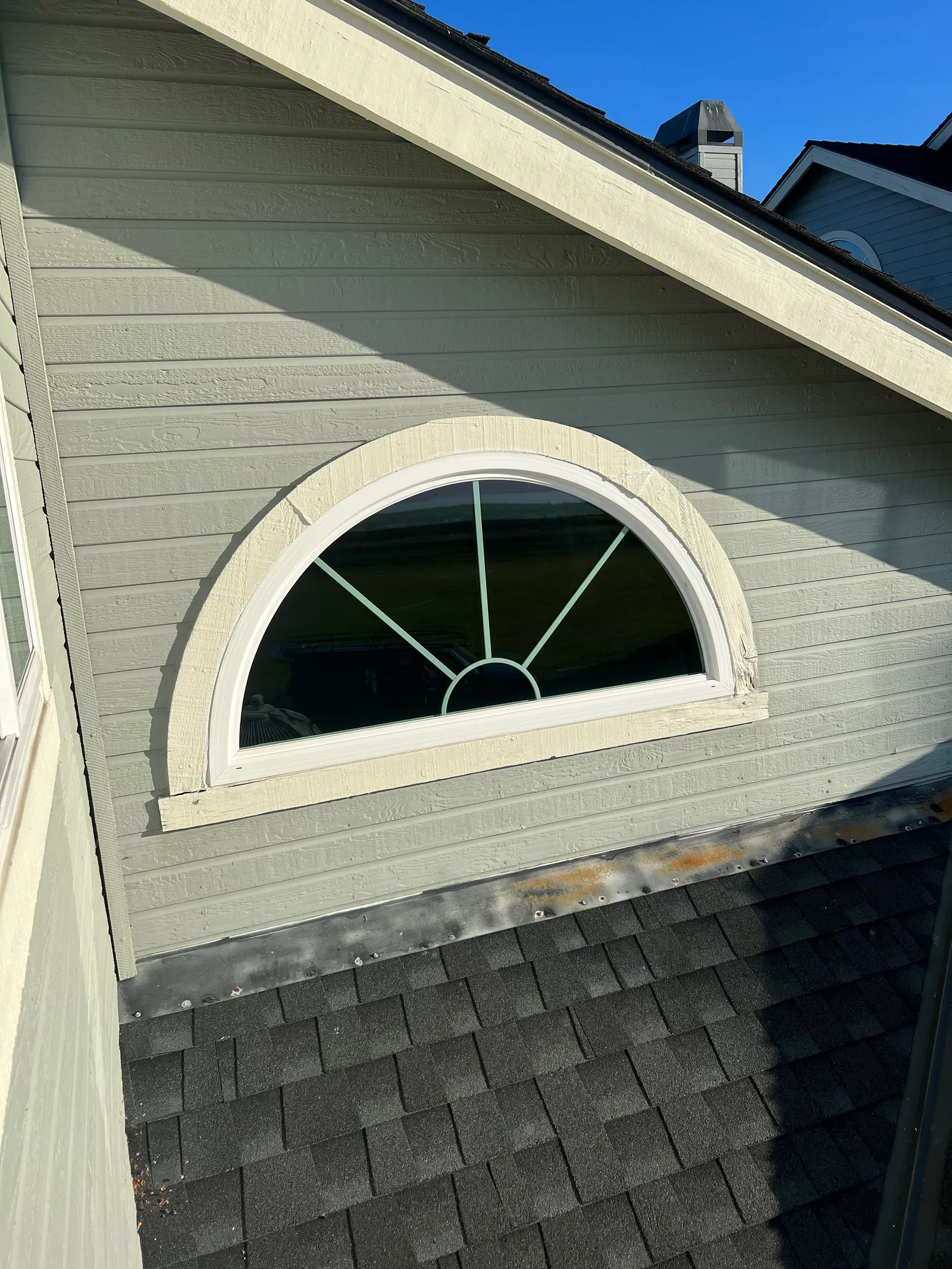
Short answer: it depends on your documents, not your street
Owners in Redwood Shores ask this more than almost any other dry rot question: the siding is soft or a deck stair is spongy, so is the repair the association's job or mine? There is no rule that covers every building. The answer sits in your association's governing documents, usually the CC&Rs, any maintenance responsibility chart, and the rules for architectural review. This guide explains the common patterns, so you know what to look for and what to ask. It is general information and not legal advice, and your own documents always win.
The usual dividing line
Planned communities tend to split responsibility along a familiar line. The association maintains the shared structure and the parts of a building that look the same from one unit to the next. The owner maintains what is inside the unit and whatever the documents assign to that owner. In practice that gives you two broad categories.
- Shared and exterior elements: roofs, siding, exterior trim, common stairs and walkways, and shared balconies are commonly the association's responsibility.
- Owner-assigned elements: interior finishes, windows and doors in some communities, and private decks, balconies or entry stairs in others.
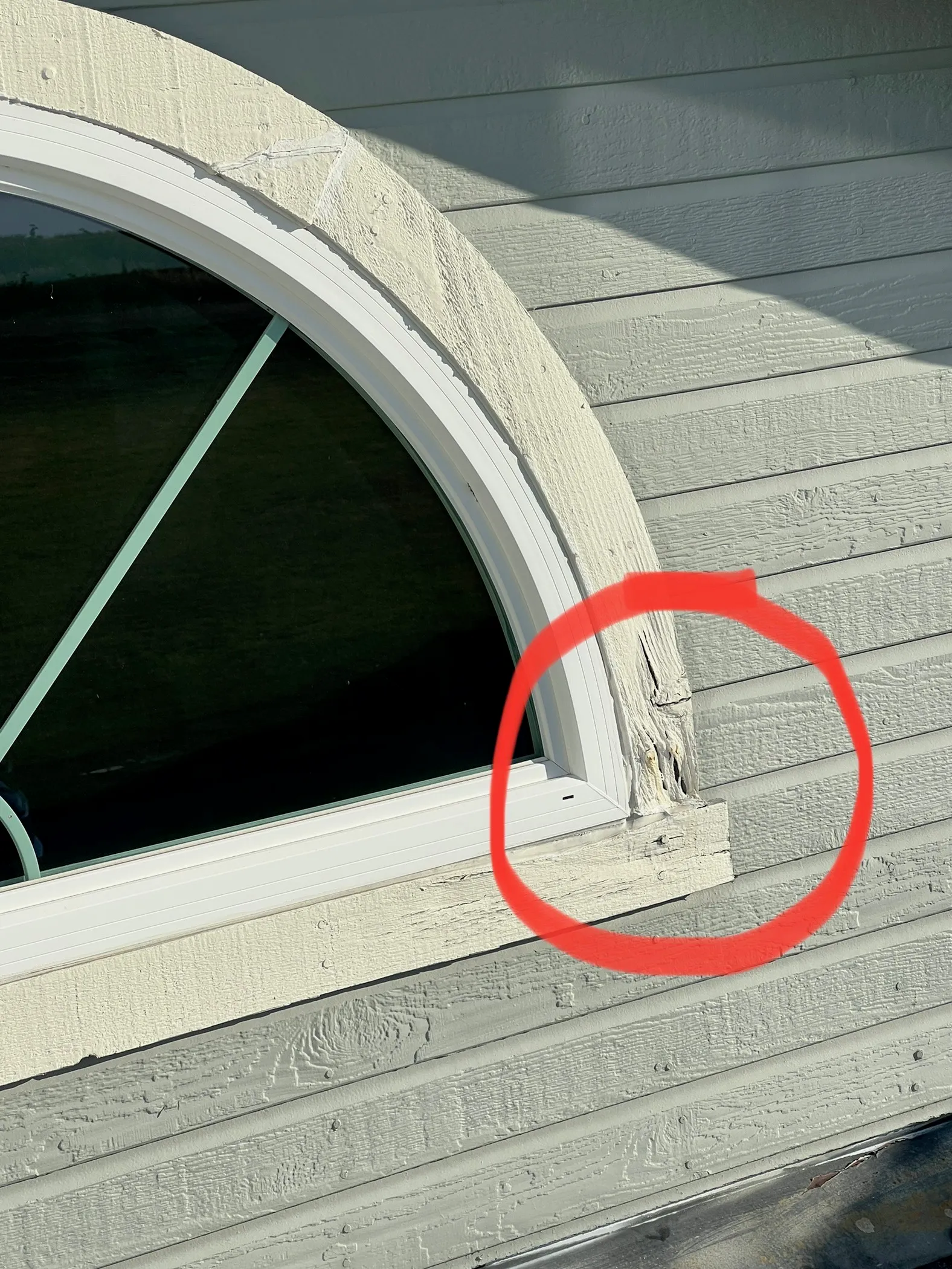
Windows and doors are where associations differ most. Some treat the frame as exterior and shared, while others hand the whole assembly to the owner, including the sill and trim. That is why two neighbors a few buildings apart can get different answers.
Private decks and balconies are the gray zone
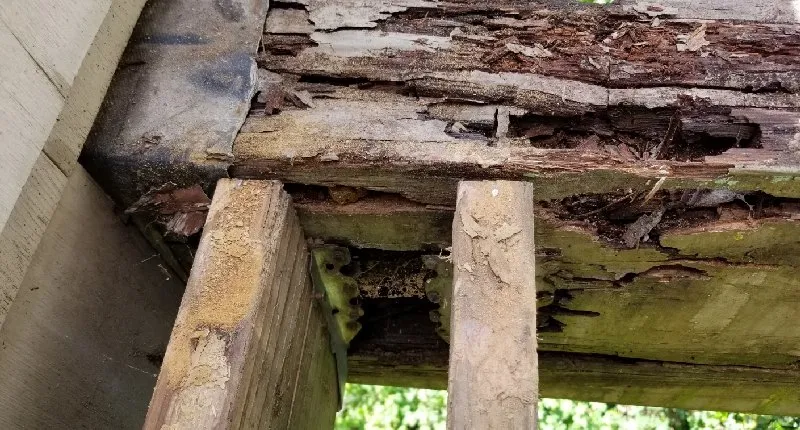
A balcony off one unit is used by one household, but it is also structure that carries load and shows from the street. Documents often say the owner maintains the surface and the association maintains the structure beneath it. A rotted floor board might be the owner's problem and a rotted joist or ledger the association's. If you find rot in a balcony or deck, do not assume. Ask the manager how your community classifies each part.
California law also puts condominium and HOA buildings under an inspection requirement for exterior elevated elements under SB-326. When an inspection report names a deck or balcony, the association usually has to act on it, which can change who is paying and who is scheduling the work. If your community has had a recent report, ask to see the findings for your building.
Five steps before you hire anyone
1. Read the CC&Rs and the maintenance chart
Look for a table or section that lists components and who maintains them. Many communities have one. If yours does not, look for language about exterior surfaces, structural components and limited common areas. Limited common area is a term for space that belongs to everyone but is reserved for one unit, and decks and balconies often fall under it.
2. Photograph the damage in daylight
Take wide shots that show where the damage sits on the building, and close shots with a coin or ruler for scale. Note the date. Photos make your request concrete and protect you if the damage grows while an approval is pending.
3. Write to the manager, not just call
Email the manager or board with your photos, the unit, the location of the damage and what you suspect. A written request starts a record, and boards respond to records. Ask directly: is this an association repair, an owner repair, or does the association approve the scope and the owner pays?
4. Do not start work first
Even when the repair is plainly yours, an exterior change usually needs architectural approval, and it may have to follow the association's approved colors and materials. A repair that was done well but done without approval can be ordered redone. Wait for the answer in writing.
5. Get a written scope from a licensed contractor
A scope that says what will be removed, what will be rebuilt and what the finish will be turns an argument into a review. It also helps if there is a claim, since insurers and boards both want to see what was found. RJY Construction, License #1040732, writes scopes for owners and for associations, with photos and a paint-match specification.
What if the answer is "the HOA, but not this year"?
Associations work from budgets and reserve plans, and a repair that is clearly theirs may still be queued. If the damage is active, say so. Water getting into a wall changes the urgency, and boards can often approve temporary protection, such as sealing or covering the area, while the full repair waits for its slot. Keep your photos current while you wait.
If the association declines responsibility and you disagree with how the documents were read, a calm written request for the specific section they are relying on is a reasonable next step. For a legal dispute, talk to an attorney who handles community associations.
What about insurance?
Insurance rarely settles this question, but it can affect it. Many policies treat slow, long-term wood rot as a maintenance matter and not as sudden damage, and the association's master policy usually covers the building structure in a way that differs from your own unit policy. Ask your insurer and your manager what applies. A written scope and dated photos help in either conversation.
Why the cause matters as much as the owner
Whoever pays, the repair should fix the water path. Replacing a rotted sill while leaving the failed flashing above it means the new wood gets wet too. On lagoon-facing walls, wind pushes rain into joints that normally shed it, so the detail that failed is often not where the rot shows. A good scope names the source, and a good board wants that line in the scope because it prevents a second repair.
Getting the repair done
Once responsibility is settled, the work follows the usual order: free on-site look with moisture readings, written scope, HOA review where needed, then the repair itself with the finish matched to the existing building. If you are an owner who is not sure whose repair this is, we are happy to look at it and write the scope either way. Call (650) 315-0023 or use the contact form.
Spotted the signs at your place?
We inspect for free anywhere in Redwood Shores and the mid-Peninsula, moisture readings, honest probing, and a written fixed-price scope.
Request Free Inspection